Digital convenience has transformed the way people interact with technology, and QR codes have become a widely accepted tool for quick access to websites, applications, and services. However, this convenience has also opened the door to new cyber threats. One of the most concerning developments is quishing, a form of phishing that uses QR codes to deceive users into visiting fraudulent websites or sharing sensitive information. Understanding how quishing works and learning how to protect against it is essential for maintaining online security and safeguarding personal data.
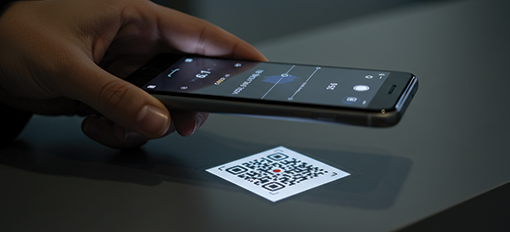
Quishing is a type of phishing attack that relies on QR codes to trick users. Instead of clicking on a suspicious link in an email or message, victims are prompted to scan a QR code that appears legitimate. Once scanned, the code redirects them to a malicious website designed to steal login credentials, financial details, or other sensitive information.
Unlike traditional phishing, quishing exploits the trust users place in QR codes, which are often seen as harmless and widely used in everyday activities such as payments, restaurant menus, and promotional campaigns.
Cybercriminals place fraudulent QR codes in emails, text messages, social media posts, or even on printed materials such as posters and flyers. These codes are designed to look authentic and often mimic legitimate business communications.
When scanned, the QR code redirects the user to a phishing website. These sites often imitate trusted platforms such as banking portals, e-commerce websites, or corporate login pages.
Victims are prompted to enter personal information, such as usernames, passwords, or payment details. Once submitted, the data is captured by attackers and used for identity theft, financial fraud, or unauthorized account access.
The stolen information may be sold on the dark web, used to commit fraud, or leveraged for further cyberattacks.
Quishing poses significant risks to individuals and organizations, including:
Always confirm the source of a QR code. Avoid scanning codes from unknown or untrusted sources, especially in unsolicited emails or messages.
Install cybersecurity tools that can analyze QR codes and detect malicious links before they open. Many modern security applications include QR code scanning features.
After scanning a QR code, review the website address before entering any information. Look for signs of suspicious domains, misspellings, or unsecured connections.
Be cautious when scanning QR codes in public places, such as posters or advertisements. Fraudulent codes can be placed over legitimate ones.
Organizations should train staff to recognize quishing attempts and implement strict policies for handling QR codes in corporate communications.
Quishing represents a new frontier in phishing attacks, exploiting the widespread use of QR codes to deceive users. By understanding how these scams operate and adopting preventive measures such as verifying QR codes, using security tools, and practicing cautious online behavior, individuals and businesses can significantly reduce their risk of falling victim to quishing.
Maintaining awareness and implementing proactive security practices are essential steps in protecting against evolving cyber threats. As QR codes continue to play a role in digital interactions, vigilance and education remain the strongest defenses against quishing attacks.